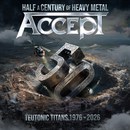
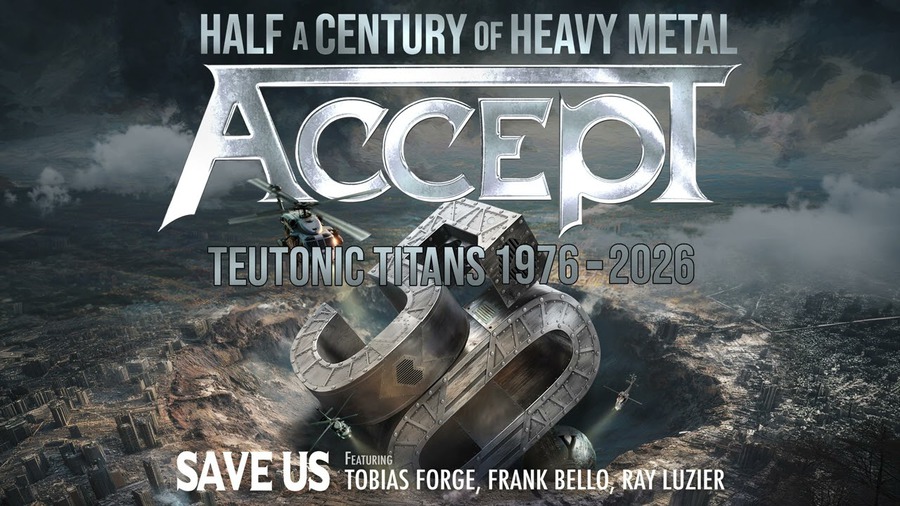
ACCEPT отметят 50-летие творческой деятельности выпуском четвертого сентября на Napalm Records юбилейного альбома "Teutonic Titans 1976–2026", в записи которого приняли участие множество гостей. Фрагмент из этого релиза, видео на "Loosers And Winners", доступно ниже.
Hoffmann: «Нет лучшего способа отпраздновать 50-летний юбилей, чем собрать вместе наших коллег-музыкантов, друзей и вдохновителей, чтобы записать классические песни ACCEPT, которыми я имею честь и гордость поделиться со всем миром. Я надеюсь, что всем понравится этот совершенно особенный альбом так же, как нам всем понравилось его записывать!»
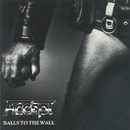
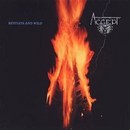
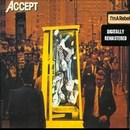
Так, Tobias Forge (GHOST) принял участие в записи "Save Us" ("I'm A Rebel", 1980) вместе с Ray Luzier на ударных. Philip Anselmo (PANTERA), Kirk Hammett (METALLICA) и Mikkey Dee (SCORPIONS) участвовали в записи новой версии "Fast As A Shark" ("Restless And Wild", 1982). "Balls To The Wall" записали с Rob Halford (JUDAS PRIEST) Matthias Jabs (SCORPIONS), а новую версию "Love Child" сделал Billy Corgan (SMASHING PUMPKINS) и David Ellefson (MEGADETH) (both songs from "Balls To The Wall", 1983).
Кроме того, среди гостей заявлены K.K. Downing (JUDAS PRIEST),Bobby "Blitz" Ellsworth (OVERKILL),Hansi Kürsch (BLIND GUARDIAN),Chris Jericho (FOZZY),Ralf Scheepers (PRIMAL FEAR),Billy Sheehan (MR. BIG),Ola Englund (THE HAUNTED) и Jeff Loomis (NEVERMORE). В альбом также вошла новая версия композиции "Hellhammer" ("Eat The Heat", 1989), записанная нынешним составом ACCEPT: Wolf Hoffmann, Martin Motnik, Philip Shouse и drummer Christopher Williams, а также вокалистом Jason McMaster (DANGEROUS TOYS).
Трек-лист:
01. Fast As A Shark
02. Balls To The Wall
03. Aiming High
04. Run If You Can
05. Hellhammer
06. Metal Heart
07. Losers And Winners
08. Save Us
09. Up To The Limit
10. Wrong Is Right
11. Starlight
12. Fight It Back
13. Love Child
14. Breaker
15. Demon's Night
16. T.V. War
17. London Leatherboys
18. Monsterman
19. Restless And Wild
Guest:
Philip Anselmo Vocals (track 1)
Kirk Hammett Guitars (Track 1)
Billy Sheehan Bass (Track 1, 12, 19)
Mikkey Dee Drums (Track 1)
Rob Halford Vocals (Track 2)
Matthias Jabs Guitars (Track 2)
Rex Brown Bass (Track 2, 17)
Jason Bowld Drums (Track 2, 6)
Chuck Billy Vocals (Track 3)
Gary Holt Guitars (Track 3)
David Ellefson Bass (Track 3, 15)
Todd La Torre Vocals (Track 4)
Chuck Garric Bass (Track 4, 7)
Roy Mayorga Drums (Track 4)
Jason McMaster Vocals (Track 5)
Dino Jelusić Vocals (Track 6)
Hansi Kürsch Vocals (Track 7)
Tobias Forge Vocals (Track 8)
John Bush Vocals (Track 9)
Ralf Scheepers Vocals (Track 10)
Bobby "Blitz" Ellsworth Vocals (Track 15)
Joe Lynn Turner Vocals (Track 16)
Sebastian Bach Vocals (Track 17)
Jeff Scott Soto Vocals (Track 18)
Chris Jericho Vocals (Track 19)
| 2 сен 2026 |
Будет ли новый ACCEPT? Отвечает WOLF HOFFMANN |
| 30 авг 2026 |
UDO DIRKSCHNEIDER: «Меня же выгнали из моего же ACCEPT!» |
| 26 авг 2026 |
Вокалист ACCEPT о важности прогрева перед шоу |
| 5 авг 2026 |
Новое видео ACCEPT |
| 23 июл 2026 |
Лидер ACCEPT: «В 90-е выпускали те еще альбомы...» |
| 8 июл 2026 |
Новое видео ACCEPT |
| 5 июн 2026 |
Новое видео ACCEPT |
| 2 июн 2026 |
Фрагмент нового релиза ACCEPT |
| 12 май 2026 |
JOHN NORUM, FREDRIK ÅKESSON, SHAWN DROVER и OLA ENGLUND выступили с ACCEPT |
| 4 май 2026 |
ACCEPT выступили с бывшим барабанщиком MEGADETH |
| 28 апр 2026 |
Члены METALLICA, JUDAS PRIEST, PANTERA, SCORPIONS, GHOST на юбилейном альбоме ACCEPT |
| 21 апр 2026 |
DAVID REECE хотел бы выступить с ACCEPT |
| 16 апр 2026 |
SHAWN DROVER выступит с ACCEPT |
| 21 фев 2026 |
ACCEPT едут в юбилейный тур по Европе |
| 2 фев 2026 |
Гитарист ACCEPT выпускает ЕР |
| 18 ноя 2025 |
Видео с выступления ACCEPT |
| 29 сен 2025 |
FRANK BELLO и BILLY SHEEHAN записались для юбилейного диска ACCEPT |
| 26 сен 2025 |
ACCEPT расстались с гитаристом |
| 17 июн 2025 |
Гитарист ACCEPT: «Никто не мог предположить, что тяжёлый металл просуществует так долго» |
| 8 июн 2025 |
Видео с выступления ACCEPT |
| 1 июн 2025 |
Лидер ACCEPT о современных технологиях: «Либо ты идёшь со всеми в ногу, либо отстаёшь» |
| 5 май 2025 |
Видео полного выступления ACCEPT |
| 29 апр 2025 |
ACCEPT выбрали продюсера для юбилейного альбома |
| 23 фев 2025 |
Лидер ACCEPT о 50-летнем юбилее |
| 7 янв 2025 |
Вокалист ACCEPT не собирается на пенсию |
| 30 дек 2024 |
Вокалист ACCEPT: «Люблю петь в полотенце!» |
| 22 дек 2024 |
Бывший басист ACCEPT о том, как дошел до Веры |
| 13 дек 2024 |
Бывший басист ACCEPT о сольном альбоме |
| 9 дек 2024 |
Лидер ACCEPT: «Надеюсь, что нас не заменят машины» |
| 26 ноя 2024 |
Профессиональное видео с выступления ACCEPT |
| 24 ноя 2024 |
Лидер ACCEPT обещает грандиозный юбилей |
| 27 сен 2024 |
Вокалист ACCEPT опять поясняет за слова |
| 17 сен 2024 |
TIM 'RIPPER' OWENS отметил день рождения с ACCEPT |
| 11 сен 2024 |
Лидер ACCEPT о счастье |
| 5 сен 2024 |
Лидер ACCEPT женился! |
| 3 сен 2024 |
ACCEPT открыли американский тур |
| 31 авг 2024 |
Вокалист ACCEPT о словах про США "Митол здесь больше не живёт" |
| 7 авг 2024 |
Лидер ACCEPT о фотосъёмке для Леса Пола: «Это было увлекательно» |
| 6 авг 2024 |
Лидер ACCEPT готов позвать бывших на юбилей |
| 4 авг 2024 |
TIM 'RIPPER' OWENS присоединился на сцене к ACCEPT |
| 22 июл 2024 |
ANDY SNEAP присоединился на сцене к ACCEPT |
| 14 июл 2024 |
Лидер ACCEPT: «Я считаю, что опыт живого выступления имеет такую же ценность, как и раньше» |
| 2 июл 2024 |
ACCEPT перезапишут классику |
| 23 июн 2024 |
Лидер ACCEPT о жизни в ЭсЭшЭй |
| 1 июн 2024 |
Бывший гитарист ACCEPT: «Сейчас им требуются три или четыре гитариста, чтобы сыграть то, что мы играли вдвоём с Wolf'ом» |
| 26 май 2024 |
Гитарист ACCEPT о том, почему он использует гитары Flying V |
| 16 май 2024 |
UDO DIRKSCHNEIDER и PETER BALTES отпразднуют 40-ю годовщину альбома ACCEPT |
| 15 май 2024 |
Гитарист ACCEPT: «А судьи кто?» |
| 14 май 2024 |
Гитарист ACCEPT: «Не хочу на пенсию» |
| 3 май 2024 |
JOEL HOEKSTRA впервые отыграл с ACCEPT |
| 2 май 2024 |
Лидер ACCEPT: «Я скучаю по Peter'y» |
| 30 апр 2024 |
Гитарист ACCEPT: «Если бы всё зависело от меня, никто бы никогда не уходил из группы» |
| 27 апр 2024 |
Гитарист ACCEPT об UDO DIRKSCHNEIDER'е: «Мы не общаемся» |
| 25 апр 2024 |
Гитарист ACCEPT об исполнении "Princess Of The Dawn" |
| 24 апр 2024 |
Видео с текстом от ACCEPT |
| 22 апр 2024 |
ACCEPT отпразднуют 50-летие |
| 21 апр 2024 |
Лидер ACCEPT: «ANDY SNEAP — член семьи» |
| 16 апр 2024 |
Гитарист ACCEPT: «Риффы — как два пальца об асфальт!» |
| 14 апр 2024 |
Лидер ACCEPT: «В моём сознании мне всё ещё 16» |
| 9 апр 2024 |
Гитарист ACCEPT: «Я чувствую себя капитаном корабля, а все остальные сошли на берег» |
| 5 апр 2024 |
Гитарист ACCEPT: «Я надеюсь, что ИИ не продвинется настолько, что сможет заменить человеческие мысли и эмоции» |
| 3 апр 2024 |
Гитарист ACCEPT: «Я бросил пить около восьми лет назад, и это прекрасно» |
| 2 апр 2024 |
Гитарист ACCEPT об использовании ИИ |
| 29 мар 2024 |
Вокалист ACCEPT: «Металл здесь больше не живет» |
| 28 мар 2024 |
Гитарист ACCEPT о термине «тяжёлый металл» |
| 27 мар 2024 |
Новое видео ACCEPT |
| 5 мар 2024 |
ACCEPT исполнили новую песню |
| 28 фев 2024 |
Новое видео ACCEPT |
| 27 фев 2024 |
PETER BALTES об ACCEPT: «Я чувствовал, что мы постоянно делаем один и тот же альбом или используем одну концепцию снова и снова» |
| 14 фев 2024 |
Тизер нового клипа ACCEPT |
| 7 фев 2024 |
Новый альбом ACCEPT выйдет весной |
| 4 фев 2024 |
Маг струн о приходе в ACCEPT |
| 12 янв 2024 |
ACCEPT нашли «мага струн» |
| 20 окт 2023 |
Бывший басист ACCEPT об уходе к бывшему вокалисту ACCEPT: «Я хочу делать людей счастливыми» |
| 12 окт 2023 |
Бывшая группа вокалиста ACCEPT соберётся для концерта |
| 26 сен 2023 |
Лидер ACCEPT мутит со скрипачкой |
| 1 сен 2023 |
Гитарист ACCEPT: «А как же бедные российские фанаты?» |
| 14 авг 2023 |
Новый альбом ACCEPT: большая часть текстов уже написана |
| 13 июл 2023 |
Вокалист ACCEPT — о том, как спел с IRON MAIDEN: «Поток адреналина просто зашкаливал» |
| 2 июл 2023 |
У ACCEPT уже много нового! |
| 27 июн 2023 |
PETER BALTES — об уходе из ACCEPT: «Всё пошло не так» |
| 18 июн 2023 |
PETER BALTES — о причине ухода из ACCEPT |
| 13 июн 2023 |
Гитарист ACCEPT сочинил чуть больше половины песен для нового альбома |
| 30 май 2023 |
Новое видео ACCEPT |
| 25 апр 2023 |
ACCEPT выступили без CHRISTOPHER'a WILLIAMS'a и PHILIP'a SHOUSE |
| 23 апр 2023 |
Гитарист ACCEPT: «Мы — одна из немногих групп, которые до сих пор исполняют песни в оригинальном виде» |
| 3 апр 2023 |
Профессиональное видео с выступления ACCEPT |
| 28 мар 2023 |
Уроки от лидера ACCEPT |
| 21 мар 2023 |
Гитарист ACCEPT: «Музыкальный бизнес очень сильно изменился» |
| 20 мар 2023 |
Бывший басист ACCEPT был несчастлив в группе |
| 17 мар 2023 |
Гитарист ACCEPT назвал пять любимых альбомов |
| 13 мар 2023 |
Уроки от лидера ACCEPT |
| 7 мар 2023 |
Вокалист ACCEPT — о возможном сольном альбоме: «У меня накопилось очень много материала для записи» |
| 11 фев 2023 |
AVA-REBEKAH RAHMAN присоединится к ACCEPT на концертах |
| 24 янв 2023 |
Видео с выступления ACCEPT |
| 9 янв 2023 |
WOLF HOFFMANN считает забавным, что UDO DIRKSCHNEIDER продолжает исполнять песни ACCEPT |
| 9 янв 2023 |
Гитарист ACCEPT — о 40-летии "Balls To The Wall" |
| 7 янв 2023 |
Гитарист ACCEPT — о важности сочинения новой музыки |
| 5 янв 2023 |
Демонстрационное видео от гитариста ACCEPT |
| 29 дек 2022 |
DAVID REECE — об участии в ACCEPT: «Это была возможность, которая выпадает раз в жизни» |
| 5 дек 2022 |
WOLF HOFFMANN, JOE SATRIANI, DEREK SHERINIAN, BRUCE KULICK на новом альбоме басиста ACCEPT |
| 21 ноя 2022 |
WOLF HOFFMANN объяснил, почему в ACCEPT было так много смен состава |
| 31 окт 2022 |
JASON McMASTER о выступлении с ACCEPT |
| 29 окт 2022 |
MARK TORNILLO — об участии в ACCEPT: «Это подарок от Бога» |
| 24 окт 2022 |
ACCEPT замутили с двумя |
| 21 окт 2022 |
ACCEPT выступили с новым вокалистом |
| 19 окт 2022 |
ACCEPT отменили концерт. Пока один |
| 18 окт 2022 |
Барабанщик ACCEPT о выступлении без Mark'a |
| 18 окт 2022 |
ACCEPT выступили без вокалиста |
| 12 окт 2022 |
Видео с выступления ACCEPT |
| 27 сен 2022 |
Гитарист ACCEPT — об увлечении фотографией: «Это была моя вторая любовь в жизни» |
| 6 сен 2022 |
Профессиональное видео полного выступления ACCEPT |
| 22 авг 2022 |
Гитарист ACCEPT — о том, почему он не сочинял во время пандемии |
| 14 авг 2022 |
WOLF HOFFMANN — о трёх гитаристах в ACCEPT: «Это здорово» |
| 5 авг 2022 |
Гитарист ACCEPT — насчёт нового альбома: «Лучше качество, чем количество» |
| 29 июл 2022 |
Видео полного выступления ACCEPT |
| 18 июл 2022 |
Гитарист ACCEPT: «Я не немецкий робот» |
| 17 июл 2022 |
Участники ACCEPT сочиняют новый материал |
| 14 июн 2022 |
Видео с выступления ACCEPT |
| 7 июн 2022 |
Профессиональное видео полного выступления ACCEPT |
| 25 май 2022 |
Гитарист ACCEPT — о нынешнем и бывшем вокалистах |
| 4 май 2022 |
UDO DIRKSCHNEIDER заявил, что больше никогда не будет работать с гитаристом ACCEPT |
| 16 мар 2022 |
Вокалист ACCEPT — о кавер-группе GOTHAM |
| 17 фев 2022 |
ACCEPT на NAPALM RECORDS |
| 10 дек 2021 |
Концертное видео ACCEPT |
| 5 ноя 2021 |
ACCEPT перенесли тур на 2023 |
| 14 окт 2021 |
FLOTSAM AND JETSAM не поедут с ACCEPT |
| 11 окт 2021 |
Лидер ACCEPT: «Мы не пишем баллад для тёлочек» |
| 1 сен 2021 |
JOE SATRIANI, BRUCE KULICK, WOLF HOFFMANN, GREGG BISSONETTE в гостях у басиста ACCEPT |
| 24 авг 2021 |
Обучающее видео от ACCEPT |
| 17 авг 2021 |
Обучающее видео от ACCEPT |
| 11 авг 2021 |
Обучающее видео от ACCEPT |
| 28 июл 2021 |
Обучающее видео от ACCEPT |
| 19 июл 2021 |
Обучающее видео от ACCEPT |
| 7 июл 2021 |
Видео с выступления ACCEPT |
| 5 июл 2021 |
Видео с выступления ACCEPT |
| 23 июн 2021 |
Лидер ACCEPT: «Kirk назвал меня вдохновителем, это очень почётно!» |
| 20 июн 2021 |
Гитарист ACCEPT: «Идея в том, чтобы становиться лучше, особо не меняясь» |
| 18 июн 2021 |
Гитарист ACCEPT: «Мне не доставляет никакого удовольствия копаться в прошлом» |
| 13 май 2021 |
Бывший вокалист ACCEPT: «Это больше похоже на шоу Wolf'a Hoffmann'a» |
| 14 апр 2021 |
UDO DIRKSCHNEIDER всё ещё зол на WOLF'а HOFFMANN'а за украденное имя ACCEPT |
| 7 апр 2021 |
ACCEPT едут в тур с PHIL CAMPBELL AND THE BASTARD SONS и FLOTSAM AND JETSAM |
| 4 мар 2021 |
Лидер ACCEPT: «Было время, когда я думал, что металл — всё» |
| 14 фев 2021 |
Успехи в чартах ACCEPT |
| 4 фев 2021 |
Лидер ACCEPT — о работе Baltes'a с UDO |
| 3 фев 2021 |
Лидер ACCEPT скучает по Peter'y Baltes'y |
| 27 янв 2021 |
Лидер ACCEPT — о записи песни AC/DC |
| 25 янв 2021 |
Лидер ACCEPT ответил на вопрос о соперничестве со SCORPIONS |
| 22 янв 2021 |
Лидер ACCEPT не знает, вернётся ли когда-нибудь гастрольная деятельность к тому, что было до пандемии |
| 20 янв 2021 |
Лидер ACCEPT пояснил за свои слова |
| 18 янв 2021 |
Лидер ACCEPT: «Лучшее ещё впереди» |
| 15 янв 2021 |
Новое видео ACCEPT |
| 14 янв 2021 |
Лидер ACCEPT: «Мы первые металлисты Германии!» |
| 13 янв 2021 |
Лидер ACCEPT — об альбоме "Eat The Heat": «Это было мрачное время в нашей истории» |
| 12 янв 2021 |
Как насчёт биографии? Отвечает лидер ACCEPT |
| 8 янв 2021 |
ACCEPT отложили выход альбома и представили тизер |
| 28 дек 2020 |
Вокалист ACCEPT: «Уровень химии с Wolf'ом заметно вырос» |
| 27 дек 2020 |
Лидер ACCEPT сказал, что жизнь без концертов — не жизнь |
| 26 дек 2020 |
Лидер ACCEPT: «Все эти карантинные видео — не моё» |
| 22 дек 2020 |
Лидер ACCEPT — о самом важном уроке музыкального бизнеса |
| 16 дек 2020 |
Лидер ACCEPT: «У нас хоть не такое тупое название, как у DEF LEPPARD» |
| 15 дек 2020 |
Позовёт ли лидер ACCEPT бывших? |
| 10 дек 2020 |
Лидер ACCEPT: «Мы не самые большие кореша с Mark'ом» |
| 30 ноя 2020 |
«Тяжёлый и напористый металлический альбом» — именно такой ACCEPT видят новую работу |
| 27 ноя 2020 |
Лидер ACCEPT: «Уход Peter'a буквально меня убил» |
| 6 ноя 2020 |
Видео с текстом от ACCEPT |
| 2 окт 2020 |
Новое видео ACCEPT |
| 30 сен 2020 |
Тизер нового сингла ACCEPT |
| 18 сен 2020 |
Новый сингл ACCEPT выйдет осенью |
| 13 авг 2020 |
Умер сын вокалиста ACCEPT |
| 11 авг 2020 |
Профессиональное видео полного выступления ACCEPT в Кемерове |
| 20 июл 2020 |
ACCEPT возобновили запись |
| 18 июл 2020 |
UDO DIRKSCHNEIDER: «Воссоединение ACCEPT? Забудьте об этом!» |
| 9 май 2020 |
ACCEPT почти завершили запись «тяжёлого и мрачного» альбома |
| 7 май 2020 |
ACCEPT работают над новой музыкой |
| 29 апр 2020 |
Новый гитарист ACCEPT: «Самой сложной для меня была "Fast As A Shark"» |
| 17 мар 2020 |
DAVID REECE о попытках заменить UDO DIRKSCHNEIDER'а в ACCEPT |
| 28 ноя 2019 |
Лидер ACCEPT: «Я так до конца и не понял, почему Peter Baltes ушёл из группы» |
| 3 ноя 2019 |
ACCEPT взяли третьего |
| 27 апр 2019 |
Легендарная группа ACCEPT впервые выступит в Сибири и представит уникальную программу на фестивале «Герои мирового рока»! |
| 19 апр 2019 |
Новая песня ACCEPT |
| 17 апр 2019 |
ACCEPT нашли нового басиста |
| 11 фев 2019 |
Видео с выступления ACCEPT с приглашённым басистом |
| 15 янв 2019 |
Бывший вокалист ACCEPT: «Нынешний вокалист ACCEPT звучит как копия бывшего вокалиста ACCEPT» |
| 5 янв 2019 |
Новый видеотрейлер от ACCEPT |
| 26 дек 2018 |
Гитарист ACCEPT: «На "Blood Of The Nation" была настоящая магия» |
| 18 дек 2018 |
Гитарист ACCEPT о том, как создавалась песня "Fast As A Shark" |
| 3 дек 2018 |
Гитарист ACCEPT: «Всю жизнь мечтал выступить с оркестром!» |
| 29 ноя 2018 |
Барабанщик ACCEPT об уходе басиста |
| 28 ноя 2018 |
Из ACCEPT уходит басист |
| 23 ноя 2018 |
Фрагмент нового DVD ACCEPT |
| 3 ноя 2018 |
Фрагмент нового DVD ACCEPT |
| 21 окт 2018 |
Фрагмент нового DVD ACCEPT |
| 15 окт 2018 |
Видеотрейлер к предстоящему концертному релизу ACCEPT |
| 8 окт 2018 |
Видео с концерта ACCEPT в Далласе |
| 6 окт 2018 |
Новое концертное видео ACCEPT |
| 26 сен 2018 |
ACCEPT начали собирать риффы для нового альбома |
| 24 сен 2018 |
WOLF HOFFMANN: «Я много размышлял о решении Udo исполнять сет из песен ACCEPT» |
| 23 сен 2018 |
Обложка и трек-лист нового релиза ACCEPT |
| 27 авг 2018 |
Новый сингл ACCEPT выйдет осенью |
| 22 июн 2018 |
Новый релиз ACCEPT выйдет осенью |
| 14 июн 2018 |
Видео с выступления ACCEPT |
| 22 фев 2018 |
Бывший вокалист ACCEPT о новом вокалисте ACCEPT |
| 19 фев 2018 |
Видео с выступления ACCEPT |
| 2 окт 2017 |
Видео с выступления ACCEPT |
| 19 авг 2017 |
Успехи в чартах ACCEPT |
| 11 авг 2017 |
Концертное видео ACCEPT |
| 10 авг 2017 |
Гитарист ACCEPT не против повторить с оркестром |
| 7 авг 2017 |
Профессиональное видео с выступления ACCEPT |
| 21 июл 2017 |
Видео с текстом от ACCEPT |
| 20 июл 2017 |
Трейлер нового альбома ACCEPT |
| 18 июл 2017 |
Лидер ACCEPT: «Мы стараемся становиться лучше, при этом не сильно меняясь» |
| 7 июл 2017 |
Трейлер нового альбома ACCEPT |
| 29 июн 2017 |
Новое видео ACCEPT |
| 26 июн 2017 |
Гитарист ACCEPT: «При создании песен я ставлю цель написать то, что мог бы написать 30 лет назад, но этого не сделал» |
| 3 июн 2017 |
Новая песня ACCEPT |
| 12 май 2017 |
Обложка нового альбома ACCEPT |
| 16 апр 2017 |
Новый альбом ACCEPT выйдет в августе |
| 7 мар 2017 |
Переиздания ACCEPT выйдут весной |
| 7 мар 2017 |
UDO DIRKSCHNEIDER: «Я никогда не уходил из ACCEPT — меня уволили» |
| 29 янв 2017 |
Фрагмент нового DVD ACCEPT |
| 21 янв 2017 |
Видео с выступления ACCEPT |
| 18 янв 2017 |
Лидер ACCEPT: «Сейчас самое время выпустить DVD» |
| 16 янв 2017 |
WOLF HOFFMANN о новом материале ACCEPT |
| 5 янв 2017 |
Фрагмент нового DVD ACCEPT |
| 16 дек 2016 |
Трейлер нового DVD ACCEPT |
| 12 дек 2016 |
Гитарист ACCEPT надеется, что новый альбом выйдет летом |
| 9 дек 2016 |
Фрагмент нового DVD ACCEPT |
| 2 дек 2016 |
Трейлер нового DVD ACCEPT |
| 26 ноя 2016 |
Трейлер нового DVD ACCEPT |
| 23 окт 2016 |
Вокалист ACCEPT исполняет классику AC/DC, THE ALLMAN BROTHERS BAND |
| 22 окт 2016 |
Концертный релиз ACCEPT выйдет зимой |
| 24 май 2016 |
UDO DIRKSCHNEIDER не хочет дать прощальное шоу с ACCEPT |
| 24 апр 2016 |
Гитарист ACCEPT: "Мы сочиняем музыку для фэнов, а не только для нас самих" |
| 16 апр 2016 |
UDO DIRKSCHNEIDER не подозревал, что однажды его выгонят из ACCEPT |
| 16 мар 2016 |
DAVID REECE охотно бы вернулся в ACCEPT |
| 10 мар 2016 |
Профессиональное видео с выступления ACCEPT |
| 3 мар 2016 |
Гитарист ACCEPT о выборах президента США |
| 26 янв 2016 |
Лидер ACCEPT: «Надеюсь, новый альбом выйдет в следующем году» |
| 24 ноя 2015 |
ACCEPT начнут работу над новым материалом в 2016 году |
| 7 окт 2015 |
Гитарист ACCEPT: «Мы сейчас сильны как никогда!» |
| 25 авг 2015 |
ACCEPT готовятся к сочинению |
| 1 авг 2015 |
UDO DIRKSCHNEIDER попрощается с ACCEPT в 2016 |
| 27 июл 2015 |
Музыканты ACCEPT устроили краудсёрфинг в музее |
| 18 июн 2015 |
WOLF HOFFMANN: «Комментарии UDO DIRKSCHNEIDER'a смешны» |
| 10 июн 2015 |
Видео с выступления ACCEPT |
| 27 май 2015 |
Видео с выступления ACCEPT |
| 22 май 2015 |
ACCEPT планируют запись концертного альбома |
| 26 апр 2015 |
Видео с выступления ACCEPT |
| 20 апр 2015 |
Новый состав ACCEPT дебютировал в Мексике |
| 13 апр 2015 |
ACCEPT нашли новых музыкантов |
| 19 мар 2015 |
UDO: «Как я купил билет на концерт ACCEPT» |
| 28 янв 2015 |
UDO DIRKSCHNEIDER уверен, что ACCEPT уволили двух музыкантов |
| 25 янв 2015 |
UDO DIRKSCHNEIDER посетил концерт ACCEPT и остался недоволен |
| 11 янв 2015 |
WOLF HOFFMANN: "ACCEPT были первой металлической группой в Германии" |
| 31 дек 2014 |
HERMAN FRANK: "В ACCEPT мне не дали проявить себя" |
| 28 дек 2014 |
Из ACCEPT ушли гитарист и барабанщик |
| 28 дек 2014 |
Из ACCEPT ушел гитарист |
| 19 дек 2014 |
WOLF HOFFMANN о "Blind Rage": "Это еще одна типично олдскульная запись ACCEPT" |
| 16 окт 2014 |
Видео с выступления ACCEPT |
| 24 сен 2014 |
Видео с выступления ACCEPT |
| 18 сен 2014 |
Видео с выступления ACCEPT |
| 11 сен 2014 |
Концертное видео ACCEPT |
| 13 авг 2014 |
Видео с текстом от ACCEPT |
| 11 авг 2014 |
Фрагмент нового DVD ACCEPT |
| 7 авг 2014 |
Трейлер нового альбома ACCEPT |
| 4 авг 2014 |
Профессиональное видео полного выступления ACCEPT |
| 29 июл 2014 |
Трейлер нового альбома ACCEPT |
| 24 июл 2014 |
Трейлер нового альбома ACCEPT |
| 27 июн 2014 |
Новое видео ACCEPT |
| 15 май 2014 |
Выход нового альбома ACCEPT отложен |
| 17 апр 2014 |
ACCEPT объявили даты европейского тура |
| 8 апр 2014 |
Очки от ACCEPT |
| 2 апр 2014 |
Обложка нового альбома ACCEPT |
| 20 фев 2014 |
Бывшая группа вокалиста ACCEPT соберется для концерта |
| 16 авг 2013 |
ACCEPT приступили к сочинению материала для нового альбома |
| 13 авг 2013 |
Профессиональное видео c выступления ACCEPT |
| 25 июн 2013 |
PHILIP ANSELMO присоединился на сцене к ACCEPT |
| 16 июн 2013 |
Видео с выступления ACCEPT |
| 13 июн 2013 |
ACCEPT работают над документальным фильмом |
| 24 май 2013 |
Видео с выступления бывшей группы вокалиста ACCEPT |
| 20 май 2013 |
UDO DIRKSCHNEIDER о разрыве со STEFAN'ом KAUFMANN'ом и ACCEPT |
| 17 апр 2013 |
Видео с выступления ACCEPT |
| 10 апр 2013 |
UDO DIRKSCHNEIDER: "Два последних альбома ACCEPT звучат так, как будто их записали вместе" |
| 7 апр 2013 |
ACCEPT снимут концерт в Чили |
| 10 ноя 2012 |
Видео с выступления ACCEPT |
| 18 окт 2012 |
Видео с выступления ACCEPT |
| 28 сен 2012 |
Видео с выступления ACCEPT |
| 14 сен 2012 |
Видео с выступления ACCEPT |
| 26 апр 2012 |
Видео с выступления ACCEPT |
| 15 апр 2012 |
Видео с выступления ACCEPT |
| 12 апр 2012 |
Видео с выступления ACCEPT |
| 8 апр 2012 |
ACCEPT открыли европейский тур |
| 19 мар 2012 |
Новая обложка ACCEPT |
| 27 фев 2012 |
Новая песня ACCEPT |
| 16 фев 2012 |
Обложка и трек-лист нового альбома ACCEPT |
| 18 янв 2012 |
Дата выхода нового альбома ACCEPT |
| 13 ноя 2011 |
Название нового альбома ACCEPT |
| 28 сен 2011 |
ACCEPT начали работу над альбомом |
| 11 сен 2011 |
ACCEPT получили награду "Metal Anthem" |
| 12 июл 2011 |
Выступление ACCEPT на фестивале BANG YOUR HEAD!!! будет снято для DVD |
| 13 июн 2011 |
Качественное видео с выступления ACCEPT |
| 1 июн 2011 |
Новое видео ACCEPT |
| 14 апр 2011 |
Новое видео ACCEPT |
| 7 фев 2011 |
Видео с концерта ACCEPT |
| 28 янв 2011 |
Видео с концерта ACCEPT |
| 26 янв 2011 |
Видео с концерта ACCEPT |
| 18 янв 2011 |
ACCEPT в России в марте |
| 12 окт 2010 |
Видео с выступления ACCEPT |
| 7 окт 2010 |
ACCEPT запишут концерт в Кливленде |
| 1 сен 2010 |
ACCEPT попал в пятерку лучших дисков Германии |
| 5 авг 2010 |
Профессиональные съемки с выступления ACCEPT |
| 30 июл 2010 |
ACCEPT заключил контракт с UNIVERSAL на издание альбома в Японии |
| 26 июн 2010 |
Обложка и трек-лист нового альбома ACCEPT |
| 31 май 2010 |
Дата выхода нового альбома ACCEPT |
| 21 май 2010 |
ACCEPT посвятили исполнение своего классического трека DIO |
| 11 май 2010 |
Новое видео ACCEPT |
| 10 май 2010 |
ACCEPT дали первый концерт в новом составе |
| 28 апр 2010 |
ACCEPT выпустит сингл |
| 24 апр 2010 |
Полная версия нового трека ACCEPT |
| 7 апр 2010 |
ACCEPT подписали контракт с NUCLEAR BLAST RECORDS |
| 6 апр 2010 |
ACCEPT сняли видео на песню "Teutonic Terror" |
| 27 мар 2010 |
Семпл новой песни ACCEPT |
| 2 мар 2010 |
ACCEPT выступят в России |
| 13 янв 2010 |
Названия новых песен ACCEPT |
| 17 ноя 2009 |
Новый вокалист ACCEPT: «Я не пытаюсь заменить собой Udo» |
| 1 ноя 2009 |
Басист ACCEPT из студии |
| 29 сен 2009 |
ACCEPT начали запись нового альбома |
| 29 июл 2009 |
Andy Sneap будет продюсером нового альбома ACCEPT |
| 16 май 2009 |
Объявлен новый вокалист ACCEPT |
| 16 май 2009 |
Бывшие участники ACCEPT репетировали вместе |
| 10 дек 2008 |
Бывший гитарист ACCEPT выпустит сольный альбом |
| 7 июн 2007 |
Доступны демо варианты песен ACCEPT с альбома 'Restless And Wild' |
| 16 авг 2005 |
ACCEPT: концертные клипы выложены в Сети |


 Германия














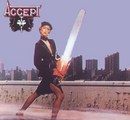






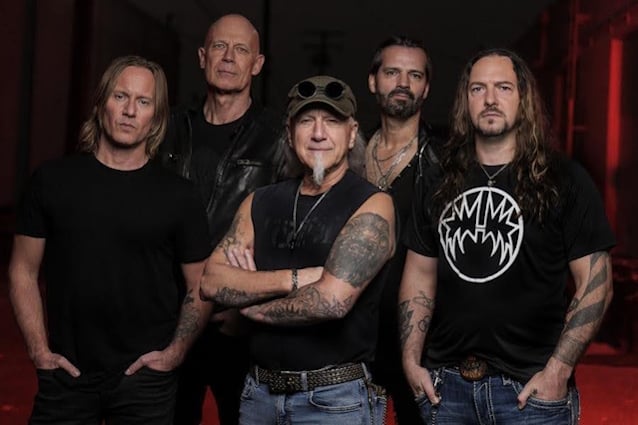


After quite a few years away from the visible hard rock scene, Germany’s legendary Accept have returned to the metal forefront with an elated new singer, a euphoric new album and global tours. Yes, Accept are back to carry on the timeless tradition of the infectious, immediately identifiable Accept sound, but with fresh ideas and a matured outlook on music and life. A new era begins!
ACCEPT The Success Story of the Past and Present!
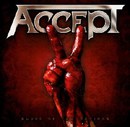
Eddie Trunk, the US hard rock and TV icon has just announced that Blood Of The Nations is the Highlight of the Year. He called it: “A huge comeback for ACCEPT and we all agree. This is definitely the metal album of the year. It is amazing!” Eddie Trunk is joined in this sentiment by most music media reviews of the last few months, all of whom have nominated Blood Of The Nations to be the Metal Album of the Year!
But let’s talk numbers: Blood Of The Nations was released in late summer 2010 and has elevated ACCEPT to new heights in the hard rock universe. The album reached the highest chart debuts in the band’s history. It debuted at #187 on The Billboard 200 chart, #170 on the Top Current Albums chart, and on the #41 Independent (Current) Albums chart. In Canada, the album debuted at #53 on the Nielsen Soundscan Top Hard Albums chart.
With 2,900 CDs sold in the U.S. since its September 14th release, Blood Of The Nations marks ACCEPT’s largest first week sales numbers since the inception of SoundScan. ACCEPT fans have spoken and have turned this comeback album into the resurgence of a career! In addition, the album debuted as the #21 Rock Album on iTunes and debuted at #28 with a bullet on the CMJ Loud Chart for college radio and has climbed to the #7 position.
Worldwide debut numbers for Blood Of The Nations are:
#4 – Germany
#7 – Sweden
#7 – Hungary
#9 – Finland
#12 – Billboard European Chart
#19 – Austria
#27 – Czech Republic
In just a few short months, ACCEPT have experienced a meteoric rise in the metal community and have amazed the entire world; the media, the music industry and the fans! Every known rock publication had nothing but praise for Blood Of The Nations. It is rare that all the media outlets rave so in unison about a band and a record.
What makes ACCEPT such an astonishing success? The formula seems uncomplicated: As a band, they are a well oiled and hungry machine forging on with unbridled power and passion. It all started with the making of a great hard rock album. By involving master producer Andy Sneap, all the pieces fell into place. After just a couple days in the studio, all involved were in synch and knew right away: something big was brewing.
This could be a lesson for all budding metal bands…. Don’t think too much, just do and do so with all the might you can muster!
ACCEPT is back…. In a world where metal has become imitative and stale, ACCEPT once again press forward with honest, visionary musical vigor and a dose of Teutonic Terror. Like a caged animal set free at last, they once again belong to the oligarchy of the worldwide hard rock and heavy metal scene! See them on Tour in 2011.
Early Years (The 70s – 1982)
The band’s career began in 1976, when the initial stable and professional line-up of Accept (vocalist Udo Dirkschneider, guitarists Wolf Hoffmann and Gerhard Wahl, bassist Peter Baltes and drummer Frank Friedrich) was invited to play at one of the first rock and roll festivals from Germany — Rock am Rhein. Following the festival, the band received their first recording deal. It was the self-titled Accept album. Friedrich and Wahl quit the band after the release of of the debut record, as they did not intend to pursue a professional career in music. They were soon replaced by new drummer Stefan Kaufmann and guitarist Jörg Fischer. This line-up proceeded to record the sophomore record, I’m a Rebel in 1980. The title track originally was written for AC/DC but they never released it. This was the album that finally brought initial media attention to the band.
1981 saw three major events in the early history of Accept. First, the acclaimed album Breaker was released. Second, a contract with manager Gaby Hauke was signed, an agreement that is still in effect today. Third, Accept joined Judas Priest’s world tour and obtained a fair amount of success, making the band known outside of Europe.
The next album, Restless and Wild, was released in 1982. Restless and Wild saw an evolution in the band’s personality and sound, which incorporated several characteristics of a revolutionary new genre which would later be called “speed metal”. This recording however, did not include Jörg Fischer, who quit the band a short time before the studio sessions took place. Jan Koemmet was hired as Accept’s new guitarist, but departed from the band before the recording sessions for the album. The line-up was eventually completed with Herman Frank on second guitar.
Mainstream Success (1983 – 1987)
Accept became hugely successful with their next release, the now legendary Balls to the Wall album (1983). The new album would prove to be quite different from their earlier works. The album was conceptual in nature, and included songs that spoke about politics, sexuality and various human relationships. For example, the classic title track “Balls to the Wall” refers to slaves revolting against oppressing masters. “Fight It Back” is about the social misfits, fighting against conformity. All songs were credited to Accept and “Deaffy”. Deaffy was later exposed to be their manager Gaby Hauke’s pseudonym for her contribution to the band’s lyrics. She proceeded to compose the lyrics of all of the songs, with a few exceptions, from that album on. She did not officially reveal authorship of the songs until much later.
During a show in their hometown of Solingen in 1983, the band ran into Jörg Fischer by chance. On Gaby Hauke’s insistence, Fischer was asked to rejoin the band once again. A world tour followed which would take them through all of 1984 — with the historic Monsters of Rock festival as a mid-year highlight.
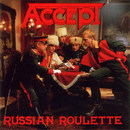
Metal Heart was released in 1985. Produced by Scorpions producer Dieter Dierks, it presented the creative career high for the band. Accept went on to tour around the globe in front of packed houses, soon documented by the live album Kaizoku-Ban. A year later, in 1986, Russian Roulette continued the series of critically acclaimed albums. But in 1987, in spite of their tremendous success, Accept and Udo decided together that Udo would embark on a solo career to pursue his own happiness. Supporting this decision, the songwriting team of Accept wrote an entire album for him. Accept and their management were eager to help Udo launch this solo career. That album was released in 1987 with the title Animal House under the band moniker U.D.O., a band that Udo Dirkschneider continues to tour with to date.
David Reece Period & First Hiatus (1988 – 1991)
During the work on Animal House, Accept had already started to search for and audition for a new vocalist. They soon found David Reece and so Peter, Wolf and Stefan set to work once more on new music. Udo’s solo career was having a good start, and guitarist Jörg Fischer again decided to leave Accept. Accept and their record company felt excited and confident with this new line-up and came out with the worldwide release, Eat the Heat.
The career of Accept, unfortunately, came to a sudden halt when Stefan Kaufmann sustained a serious injury to his back in the middle of a tour. He was briefly replaced by drummer Ken Mary for the remainder of the short US tour. By its end, Hoffmann, Baltes and Hauke decided that without Stefan and with differences surfacing between the band and Reece, it was time to re-evaluate their next steps. Stefan, always a vital part of Accept, needed a long recovery time. So, by the end of 1989, the band had ceased its activities.
Reunion with Dirkschneider (1992 – 1996)
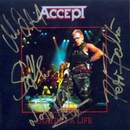
The live album entitled Staying a Life that was recorded back in 1985, was released in 1990 as a souvenir from their career. During a visit to Germany a few years later, the musicians from Accept and Dirkschneider met and spontaneously decided to relaunch the band with the core members Hoffmann, Kaufmann, Dirkschneider and Baltes.
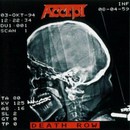
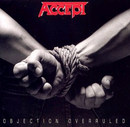
The album Objection Overruled was released worldwide in 1993. The band’s reunion was a qualified success in Europe and the USA. A world tour followed. Another album, entitled Death Row, was released in 1994, but Kaufmann became unable to play once more due to his recurring back injury. The band invited Stefan Schwarzmann as a temporary replacement and commenced plans for their next tour.
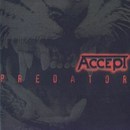
A sense of finality was in the air when the band entered studios to record Predator in 1996, this time with Michael Cartellone (from Damn Yankees) on the drums. Predator was recorded in Nashville, TN with Udo’s long time (school)friend and producer Michael Wagener at the helm. In spite of genuine efforts by everyone, the chemistry between Accept and Udo was again strained. Accept’s final tour, supporting Predator, went through America, Europe and Asia, with their last concert in Tokyo, Japan, one of the world capitals of heavy metal. Udo couldn’t wait to return to his own solo project U.D.O.
Second Hiatus & Brief Resurrection (1997 – 2005)
The future of Accept was uncertain between 1997 and 2005, as all members continue working on their own projects. However, in 2005, Accept received an invitation from European promoters to embark on a short summer European Festival tour with Accept’s classic line-up (Hoffmann, Baltes, Dirkschneider, Frank und Schwarzmann). Everyone agreed to do these festivals, which turned out to be a stunning success. The last show was held on August 27, 2005, in Kavarna, Bulgaria – at